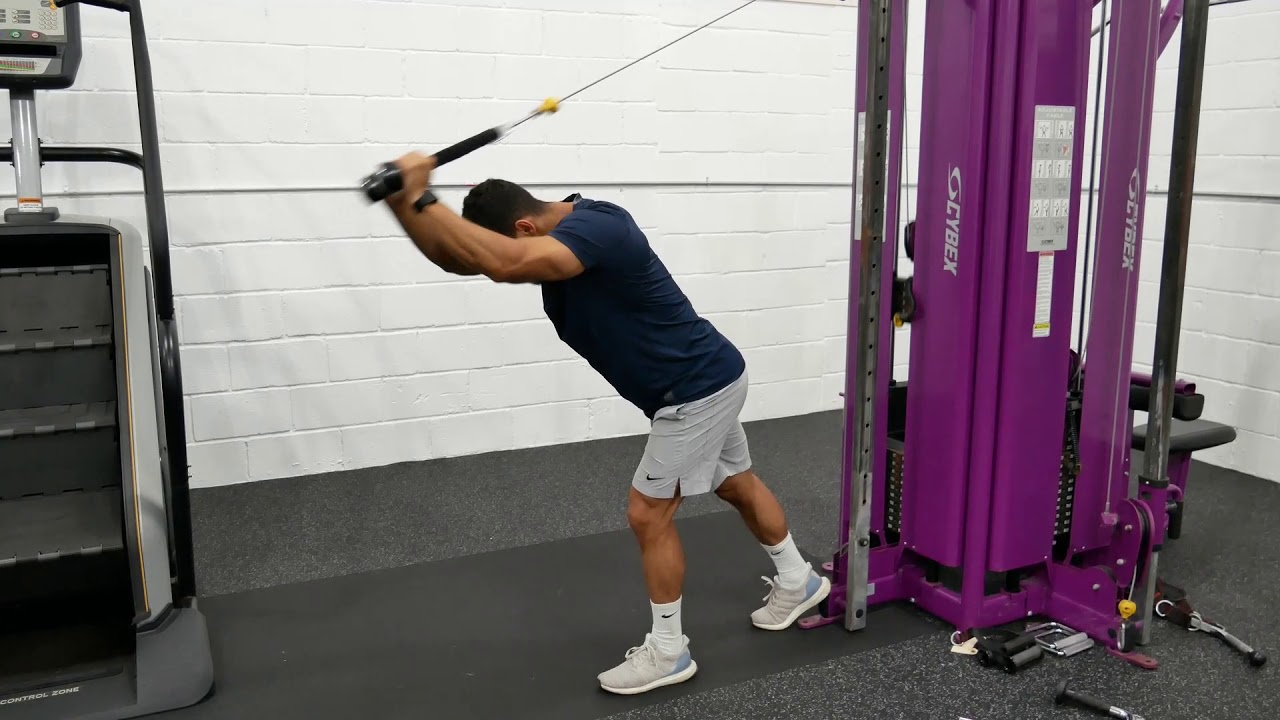
How To Do Tricep Overhead Extensions For Strong, Toned Arms
If you are looking to target sagging upper arms or wave goodbye to what many affectionately call “bat wings,” strength training is your absolute best friend. While there are dozens of arm exercises out there, one move stands out as a true game-changer: the tricep overhead extension.

As we navigate midlife, maintaining upper body strength becomes about much more than just looking great in a sleeveless top it’s about preserving our functional independence, supporting our joints, and feeling genuinely powerful in our own skin.
Let’s dive into exactly why this exercise is so effective, how to master your form, and how to safely add it to your weekly routine to see fast, noticeable results using the right equipment.
Why the Overhead Tricep Extension Works
Your tricep muscle is actually made up of three parts (or “heads”): the lateral head, the medial head, and the long head.
Most traditional pushing movements, like standard push-ups, primarily hit the lateral and medial sections. The long head of the tricep often gets neglected. Because the overhead extension requires you to raise your arms above your head, it puts the long head into a deep stretch. This unique angle unlocks maximum muscle engagement and helps build beautifully defined, strong upper arms.
How To Do A Tricep Overhead Extension: Step-by-Step Form Guide
Mastering your form ensures you target the correct muscles while keeping your neck, shoulders, and lower back completely safe. You can perform this move using a single heavy dumbbell or two lighter dumbbells held together.
Equipment Needed:
- A high-quality, comfortable weight setup like this versatile dumbbell set on Amazon (choose a light-to-medium weight to start).
- Optional: A sturdy chair or bench for seated support.
Step-by-Step Instructions:
- Set Your Base: Start either standing tall with your feet hip-width apart or seated flat on a chair. Engage your core tightly and keep your spine long.
- The Grip: Hold your dumbbell with both hands. Cup your palms upward underneath the top weight plate so the handle hangs securely between your thumbs and index fingers.
- Press Overhead: Press the weight directly over your head, fully extending your arms.
- Lock in Your Elbows: Keep your elbows pointing forward and tucked close to your ears. Do not let them flare out to the sides.
- The Lowering Phase: Slowly bend your elbows, lowering the weight behind your head toward your upper back. Keep your upper arms completely stationary; only your forearms should move.
- The Press Phase: Once your elbows reach roughly a 90-degree angle (or as far as your natural flexibility comfortably allows), pause for a split second. Squeeze the back of your arms to press the weight back up to the starting position.
Recommended Reps and Sets:
For Beginners: Aim for 2 to 3 sets of 12–15 repetitions. If you are using anadjustable or variable dumbbell set, choose a weight where the last 2 or 3 reps feel quite challenging, but don’t cause your form to break down.
Pro Tips for Perfect Form and Safety
- Watch the Elbow Flare: When your elbows flare out to the sides, the focus shifts away from your triceps and puts unnecessary strain on your shoulder joints. Keep them pinned forward.
- Protect Your Lower Back: If you notice your lower back arching as you lift the weight overhead, switch to a split stance (one foot stepped slightly forward) or sit down on a chair to stabilize your pelvis.
- Keep Your Shoulders Down: Avoid shrugging or “scrunching” your shoulders up toward your ears. Pull your shoulder blades down your back to avoid a pinched nerve or neck tension.
The Top Benefits of Overhead Tricep Extensions
1. Superior Tricep Isolation
Because it isolates the backside of the upper arm, this move is highly efficient at building lean muscle mass, firing up your metabolism, and tightening the target area.
2. Built-In Shoulder Stability
While your triceps do the heavy lifting, your shoulder stabilizers must work statically to keep the weight safely balanced overhead.
3. Isometric Upper Back Engagement
Holding your posture tall against the weight forces your upper back muscles to engage. This creates a brilliant isometric workout for your upper back, helping to improve your overall daily posture.
Easy Ways to Add This Move to Your Routine
You don’t need a complex routine to see progress. Try adding overhead extensions to your fitness schedule 2 to 3 times per week.
If you want a well-rounded upper body workout, you can easily use your home dumbbells to pair this movement with these classic exercises:
- Tricep Kickbacks: Great for hitting the medial and lateral heads of the triceps.
- Traditional Bicep Curls: To balance out the front of your arms.
- Lateral and Front Shoulder Raises: For beautifully sculpted shoulders.
Does This Move Burn a Lot of Calories?
Strength exercises like the tricep overhead extension won’t leave you panting or dripping in sweat the way intense cardio does, meaning its immediate calorie burn is modest. However, it builds lean muscle tissue. Muscle is metabolic powerhouse tissue—the more muscle mass you maintain, the higher your resting metabolic rate will be, allowing you to burn more calories all day long.
Alternative Modifications
If overhead movements cause discomfort in your neck or shoulders, don’t force it! You can easily swap this exercise for bodyweight tricep dips off a sturdy chair, or use lighter resistance tools to reduce gravity’s pressure on your joints.
Consistency, safety, and proper form are what truly unlock long-term strength. Grab your preferred fitness gear, take your time, and enjoy the feeling of building a stronger body!